You found a great deal on a used SUV. Low mileage, clean photos, reasonable price. Then you notice the title status: “Pending.” Should you walk away? Wait it out? Or is this actually a buying opportunity?
The answer depends entirely on why the title is pending — and that’s exactly what most listings won’t tell you upfront. A pending title can mean anything from a minor paperwork delay to an unresolved lien that could cost you the vehicle entirely. Knowing the difference before you bid or sign could save you thousands of dollars and months of frustration.
What Does “Title Pending” Mean?
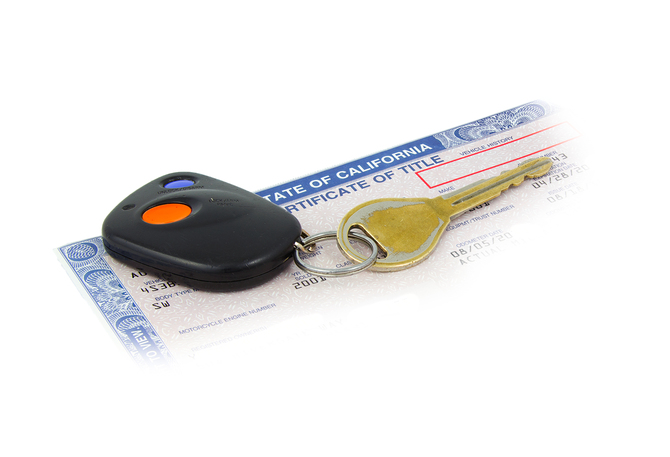
A title pending status means the seller does not currently have the vehicle’s title in hand — and therefore cannot legally transfer ownership to you at the time of sale.
You may see this listed in several ways across auction platforms and dealer listings:
- “Title pending”
- “Title status: pending dealer transaction”
- “Sale pending”
- “Wait title”
All of these indicate the same underlying situation: the paperwork isn’t finished yet. What varies and what matters most — is why.
Until the title is officially transferred into your name, you cannot legally register, insure, or drive the vehicle on public roads. In most states, driving an untitled vehicle is a violation. If you’re purchasing at auction and need to export the vehicle internationally, a pending title is an even bigger problem. U.S. Customs requires a valid title before any vehicle can clear port.
Common Reasons for a Pending Title
Understanding why a title is pending helps you assess the risk. Some causes are routine and resolve quickly. Others are serious red flags that could leave you holding an unregisterable vehicle.
Unpaid Lien
The most common — and most serious — cause of a pending title is an outstanding loan. When a vehicle is financed, the lender (bank, credit union, or finance company) holds the title as collateral until the loan is fully repaid. The seller legally cannot transfer the title to a new owner until that lien is cleared.

What this means for you as a buyer:
If you purchase a vehicle with an active lien, you don’t actually own it free and clear — the lienholder does. If the previous owner defaults on their loan after your purchase, the lender has the legal right to repossess the vehicle. From you.
How to protect yourself: Run a Vehicle Lien Lookup before committing to any purchase. It pulls the vehicle’s financial history from official records, confirming whether an active lien exists and who holds it — before any money changes hands.
Errors in the Title Certificate
Sometimes the title exists — it just has mistakes on it that prevent legal transfer.
Common errors include:
- Typos in the VIN or owner name
- Missing or invalid signatures
- Incorrect odometer reading entries
- Notarization errors
Auction platforms typically require a corrected and notarized affidavit before finalizing the transaction. This process is straightforward when both parties cooperate, but it adds time — anywhere from a few days to several weeks.
Risk level: Low, if the seller is legitimate and responsive. High, if the seller is hard to reach or the auction platform has limited title verification processes.
Ownership Disputes or Background Issues
In some cases, a pending title reflects a deeper problem: unresolved questions about who actually owns the vehicle.
This can happen when:
- The vehicle was part of an estate and heirs disagree on its disposition
- A lien was satisfied but the lender never filed a release
- The vehicle was previously reported stolen and later recovered with title complications
- The title was lost and the replacement process is incomplete
These situations can take weeks or months to resolve — and some never do.
How to protect yourself: A ClearVin Title Check by VIN surfaces title history across all 50 states, flagging ownership gaps, branding issues, and prior disputes that might not appear in a basic listing.
Administrative and Processing Delays
Not all pending titles involve financial or legal complications. Some are simply the result of bureaucratic backlogs.
Common causes include:
- High-volume periods at DMV offices (end of fiscal year, post-holiday)
- Natural disasters affecting local government operations
- Court system delays for probate or estate transfers
- Dealerships processing large volumes of auction acquisitions simultaneously
These delays are usually temporary and resolve without buyer involvement. The risk is manageable — but you should get a written commitment on the expected timeline before proceeding.
What Does “Pending Dealer Transaction” Mean?
You’ll see this specific status most often on auction platforms like Copart, IAA, and AutoBidMaster.
“Pending dealer transaction” or “title status: pending dealer transaction” means the auction house or dealer is still processing the title paperwork internally. The vehicle may have been recently acquired and the title hasn’t been fully transferred into the seller’s name yet.
What this usually means in practice:
- The title is expected to be available within a defined window (typically 30-90 days)
- The vehicle can be purchased, but title transfer to you will be delayed
- The auction platform should provide a guarantee on title delivery
What to verify before bidding:
- Does the platform guarantee title delivery within a specific timeframe?
- What happens if they can’t deliver the title? (Refund policy)
- Is the title type confirmed — clean, salvage, rebuilt?
AutoBidMaster, ClearVin’s trusted auction partner, guarantees legal compliance and title delivery on all purchases — providing written documentation and buyer protection that many auction platforms don’t offer.
Can You Export a Vehicle with a Pending Title?
No. This is one of the most important things to understand if you’re purchasing a vehicle for international export.
U.S. Customs and Border Protection requires a valid, transferable title to clear any vehicle through port. Accepted title types for export include:
- Clean Title — Standard transferable title, no brands
- Salvage Title — Insurance total loss, accepted at most ports
- Rebuildable Salvage Certificate — Accepted in most export markets
- Certificate of Destruction — Parts/scrap only, limited acceptance
- Rebuilt / Reconstructed Title — Accepted in most markets with proper documentation
A pending title does not qualify for export clearance. The vehicle will sit at port — accumulating storage fees — until a valid title is produced. Those fees can exceed the vehicle’s value.
Recommendation: Never bid on a pending title vehicle intended for export. Wait until title is confirmed and matches an accepted type for your destination country.
How to Check Title Status Before You Buy
Don’t rely on the listing description. Sellers — private and commercial — sometimes list vehicles as “title pending” without disclosing the specific reason, or mischaracterize a serious lien issue as routine paperwork. ClearVin gives you the verified picture:
Title Check by VIN
Pulls title history across all 50 states, revealing:
- Current title status and type
- All historical title brands (salvage, rebuilt, flood, lemon law)
- State-to-state title transfers
- Title washing detection (branded title moved to a clean-title state)
Oregon Title Check | Texas Title Check | Ohio Title Check | Arizona Title Check | California Title Check | Florida Lien Check | Georgia Title Check
Vehicle Lien Lookup
Accesses financial records to show:
- Whether an active lien exists
- Who holds the lien (bank, credit union, finance company)
- Lien filing date and status
Full Vehicle History Report
Provides the complete picture:
- Ownership timeline and transfer history
- Accident and insurance claim records
- Odometer verification
- Theft and NICB database check
- Auction and dealer sale history
Pricing:
- Single report: $17.99
- 5-report package: $28.99 ($5.80 each) ⭐ Best Value
No subscription. Instant results. 100% money-back guarantee.
Should You Buy a Car with a Pending Title?
It depends on the reason — and your risk tolerance.
Proceed with caution if:
- The pending status is confirmed as a dealer processing delay (not a lien)
- The platform provides written title delivery guarantee with a timeline
- ClearVin lien lookup shows no active financial obligations
- Title Check confirms no ownership disputes or branding issues
- You’re buying domestically (not for export)
- The price discount reflects the inconvenience and risk
Walk away if:
- The seller can’t explain why the title is pending
- ClearVin lien lookup shows an active lien
- The title history shows ownership disputes or gaps
- You need the vehicle registered immediately
- You’re purchasing for international export
- The auction platform has no title delivery guarantee
Final Thoughts
A pending title isn’t automatically a deal-breaker — but it’s never something to ignore.
The difference between a routine paperwork delay and a vehicle you can never legally own often comes down to information you won’t find in the listing. A ClearVin lien lookup and title check take two minutes and cost less than $20. That’s a reasonable investment before committing to any vehicle — pending title or not.
At ClearVin, we’ve spent over 10 years making vehicle data accessible and accurate for buyers at every level — from first-time used car shoppers to international auction buyers processing hundreds of vehicles a month.