
Knowing the VIN location on a car is essential for buyers and car owners. The VIN number location helps confirm a vehicle’s identity, check records, and avoid fraud. If you cannot find the VIN on a car location, you may not be able to review vehicle history reports or confirm ownership. This guide explains where the VIN location on a car is, along with VIN number locations on trailers, trucks, and other vehicle types.
What Is a VIN?
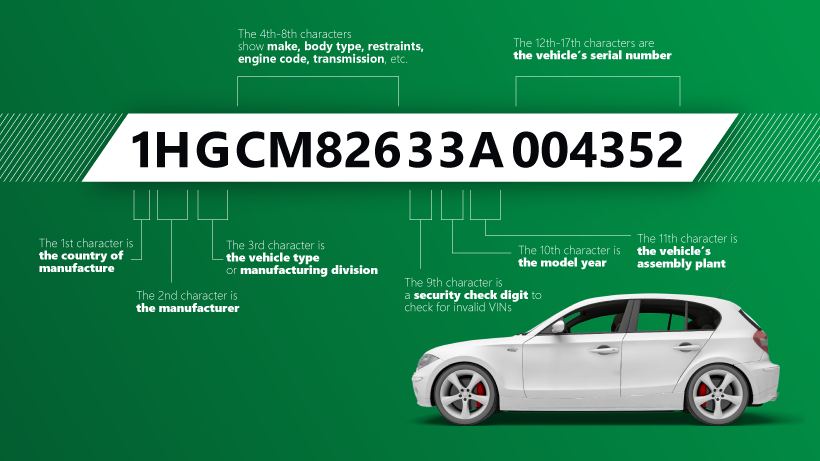
A VIN, or vehicle identification number, is a 17-character identification number assigned to vehicles manufactured for road use. The characters in a VIN reveal details such as the world manufacturer identifier, model year, engine type, country of origin, and assembly plant. A check digit confirms whether the VIN is valid.
Car owners rely on the vehicle VIN number to access a car’s history records. These records may include recalls, title changes, and theft data reported to the National Highway Traffic Safety Administration and NMVTIS.
Common VIN Location on a Car

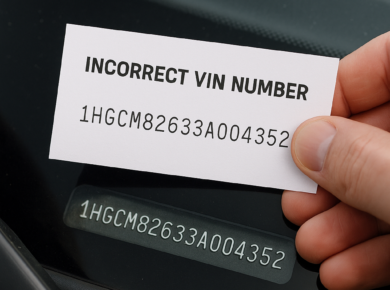
The most common VIN location on a car is on the dashboard near the windshield on the driver’s side. This VIN on a car location allows the number to be seen from outside the vehicle. It is often the first place inspectors look when asking where the VIN is located on a car.
Another standard VIN number location on a car is inside the driver-side door frame. When you open the door, look near the door latches or pillars. This VIN sticker location usually includes manufacturing details such as model year and weight ratings.
Some vehicles also include a VIN plate location under the hood. You may find it stamped on the engine block or frame. These hidden VIN number locations help confirm identity if visible labels are damaged.
Where Is the VIN Number Located on a Car Interior?

In some models, the VIN number may appear inside the cabin. This can include areas under the seats, beneath floor mats, or behind trim panels. These placements are less common but still official.
Knowing where the VIN numbers are located on a car helps prevent mistakes when decoding the VIN or comparing documents. Always match the VIN plate with paperwork.
VIN Number Locations for Other Vehicle Types
Trucks and Commercial Vehicles
For larger vehicles, such as international trucks, the VIN may be found on the frame rail, cab interior, or engine compartment. These vehicles often display multiple VIN plates to meet federal identification rules.
Trailers and Boat Trailers
A trailer VIN location is usually stamped into the metal frame. The VIN number location on a trailer may appear on the tongue, hitch area, or near the axle. For a boat trailer VIN location, check the front rail or side frame. VINs on trailers are often less visible and may require cleaning to read.
Mobile Homes
The mobile home VIN number location is typically found on a metal plate inside a utility closet or electrical panel. Some units also have the identification number stamped on the frame underneath.
Why VIN Location Matters

Knowing the VIN location on a car protects buyers from fraud and reporting errors. If the VIN number location does not match a car’s documents, it may signal altered records or fake vehicle history services.
Accurate VIN number locations ensure proper VIN decoding and reviewing vehicle history reports. This helps confirm engine type, model year, and whether the vehicle was ever listed at salvage auctions.
VIN Placement Comparison by Vehicle Type
| Vehicle type | Typical VIN number locations |
| Passenger car | Dashboard, door frame, engine block |
| Truck | Frame rail, cab interior |
| Trailer | Frame, tongue, hitch |
| Boat trailer | Axle area, front frame |
| Mobile home | Utility panel, frame |
How to Locate a VIN Safely
When locating a VIN number, never rely on paperwork alone. Always confirm where the VIN number is, located physically on the vehicle. If a VIN plate looks damaged or missing, it may indicate a problem.
Avoid platforms linked to VIN lookup scams or fraudulent vehicle history services. A safe VIN check provider should explain data sources clearly and avoid misleading claims.
How ClearVin Helps
ClearVin helps users verify VIN details using trusted data sources. Our free tools include a VIN Decoder, Recall Check, and Warranty Check. A full report may include NMVTIS records, salvage auction data, and recall information from the National Highway Traffic Safety Administration.
ClearVin focuses on transparency and accuracy, not unreliable or fake vehicle report examples.
To get accurate and official vehicle history information, check your VIN with ClearVin today.








3 comments
Very informative post! Keep up a great work 😉
Good to know, thanks!
Thank you for helping people..this side give us more details about my vehicle report
I need to spend some time learning more or understanding more.
Thanks for the wonderful information I was searching for
this information for my mission.
Comments are closed.