The automotive retail landscape is evolving faster than ever. By 2026, selling cars is no longer just about pricing and inventory. It is about data transparency, speed of decision-making, and trust. Buyers expect verified information upfront, regulators demand accuracy, and competition is increasingly digital.
This ClearVin guide explains how dealerships can increase sales in 2026 by building trust earlier, reducing operational risk, and using vehicle data as a core business asset from inventory acquisition to final delivery.
UNDERSTANDING THE 2026 CAR BUYER: WHY TRUST
Modern car buyers are more informed, cautious, and data-driven. Many begin their journey online and arrive at the dealership with expectations shaped by comparison platforms, reviews, and vehicle data tools.
In 2026, trust is built before the first conversation, not during negotiation, as buyers rely on verified information to feel confident early in the process.
Dealerships that provide clear, verifiable vehicle information early reduce buyer hesitation, shorten sales cycles, minimize aggressive price negotiations, and improve closing rates, making transparency a basic expectation for today’s dealerships.
SELLING CARS IN 2026 IS DATA-FIRST
Data has become the foundation of modern automotive sales. Buyers increasingly expect detailed, verifiable information before a test drive, including:
• full VIN specifications,
• digital copies of original window stickers,
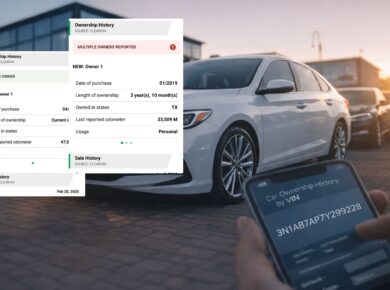
• interstate vehicle history report,
• consistent mileage records.
Access to accurate data reduces uncertainty and shifts the sales conversation from suspicion to suitability. Instead of questioning the vehicle’s legitimacy, buyers focus on whether the car fits their needs.
Dealerships that adopt a data-first sales approach align with modern buyer behavior and consistently outperform those relying on verbal assurances or partial disclosures.
WHAT IS A VEHICLE HISTORY REPORT AND WHY IT MATTERS FOR DEALERSHIPS?
Vehicle history reports are a practical foundation of both trust-building and data-first selling. They influence not only buyer confidence, but also internal dealership operations, inventory quality, and long-term profitability.
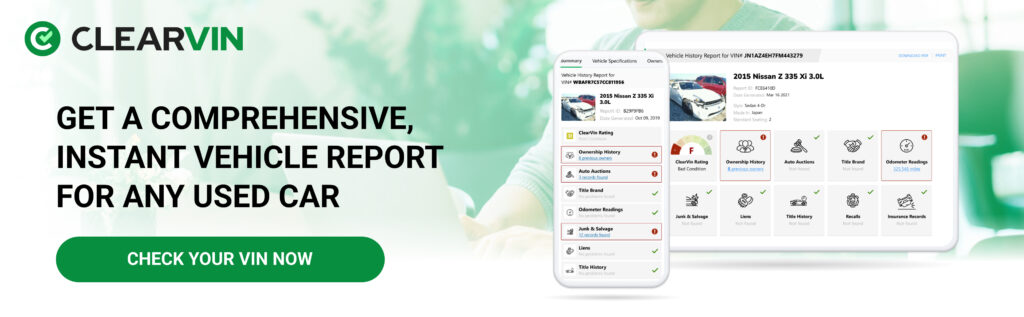
Impact of vehicle history reports on dealership performance
| Area | Without Vehicle History Reports | With Verified Vehicle History Reports |
| Inventory quality | Vehicles are added to inventory based limited checks or seller disclosures, increasing the likelihood of hidden damage, title issues, or mileage inconsistencies. | Inventory is selected using verified vehicle history data, allowing dealers to filter out high-risk vehicles before acquisition and maintain consistent quality. |
| Risk detection | Critical risks such as salvage, rebuilt, or total loss history are often discovered late, leading to deal disruptions or inventory write-offs. | Vehicle history reports surface major risks early, helping dealerships avoid costly mistakes and protect long-term inventory value. |
| Sales speed | Buyers spend additional time questioning the vehicle’s condition and legitimacy, slowing down the sales process. | When vehicle history is shared upfront, buyers feel reassured and move faster toward financing and purchase decisions. |
| Conversion rates | Uncertainty and late-stage discoveries cause deals to stall or fall through before closing. | Transparency increases buyer confidence, resulting in higher and more stable conversion rates. |
| Negotiation pressure | Negotiations are driven by perceived risk, leading to aggressive price reductions and margin erosion. | Verified data shifts conversations toward value and suitability, reducing unnecessary price pressure. |
| Compliance & legal risk | Incomplete or unclear vehicle documentation increases exposure to regulatory issues, disputes, and legal claims. | Verified vehicle history reports support compliance efforts and reduce legal and reputational risks. |
| Buyer trust & experience | Trust is built verbally and remains fragile throughout the transaction. Buyers may remain cautious until delivery. | Open disclosure of vehicle history builds trust early, improves the overall customer experience, and supports long-term loyalty. |
Regulatory requirements are also becoming more explicit. For example, starting January 1, 2026, Oregon Senate Bill 840 mandates NMVTIS checks at the dealer level, following California’s AB 1215.

OPTIMIZING DEALERSHIP MARKETING IN 2026
Traditional advertising alone is no longer sufficient. High-performing dealerships combine digital visibility with credibility.
OPTIMIZING DEALERSHIP MARKETING IN 2026
1. VIDEO WITH CONTEXT
Vehicle walkarounds are most effective when supported by data such as mileage confirmation, ownership history, and condition disclosures. Data-backed video content increases engagement and reduces buyer skepticism.
2. PAID SEARCH AND RETARGETING
Buyers who leave mid-journey often return when reassured by transparency. Retargeting works best when it reinforces trust, not urgency.
3. EDUCATIONAL CONTENT
Guides, FAQs, and comparison articles position dealerships as experts rather than sellers. Content that explains risks and decision-making builds authority.
DIVERSIFYING DEALERSHIP REVENUE STREAMS
Vehicle sales alone rarely maximize profitability. Strong dealerships expand into additional services such as service and maintenance programs, extended warranties, and financing or lender partnerships. Each additional service strengthens customer retention and increases long-term customer value.
TRAINING SALES TEAMS FOR MODERN BUYERS
In 2026, successful sales teams are advisors, not persuaders. Buyers expect guidance, clarity, and confidence rather than pressure.
Key principles:
- Personalization over pressure
Sales conversations should be tailored to each buyer’s needs, budget, and use case instead of relying on aggressive closing tactics. - Value-based follow-ups, not urgency
Effective follow-ups provide relevant information and next steps rather than artificial deadlines or pressure-driven messages. - Patience during longer decision cycles
Modern buyers take more time to evaluate options, compare data, and verify information before committing. - Confidence backed by data, not promises
Verified vehicle information helps sales teams answer questions clearly and handle objections without relying on assumptions.
Sales professionals equipped with accurate vehicle data close more deals, reduce friction in negotiations, and face fewer objections throughout the sales process.
MANAGING INVENTORY PROFITABILITY WITH DATA
Not all vehicles deliver equal margins. To protect profitability, dealerships must analyze local demand trends, align inventory with buyer preferences, and avoid high-risk units with hidden histories. Data-driven inventory decisions help stabilize cash flow and reduce downstream risk.
EMBRACING TECHNOLOGY FOR OPERATIONAL EFFICIENCY
Modern dealership operations rely on:
- CRM systems for lead and customer management,
- digital inventory tracking,
- automated reporting and analytics tools.
However, technology delivers real value only when powered by reliable data. Accurate vehicle history information enhances CRM effectiveness, improves follow-ups, and strengthens the overall buyer experience.
BUILDING LONG-TERM CUSTOMER RELATIONSHIPS
Retention is more cost-effective than acquisition. High-performing dealerships focus on post-sale communication, timely service reminders, loyalty incentives, and accessible contact channels. Strong customer relationships lead to repeat business and referrals.
MONITORING PERFORMANCE AND ADAPTING STRATEGY
Dealerships should regularly track key performance indicators such as sales velocity, conversion rates, inventory risk indicators, and profit margins by vehicle category. Continuous analysis allows dealerships to adjust pricing, sourcing, and marketing strategies proactively.
HOW ClearVin SUPPORTS DEALERSHIPS IN 2026
ClearVin provides dealerships with tools designed to support transparency, compliance, and informed decision-making, including:
- free VIN Decoder, Safety Recall Check, and License Plate Check tools,
- comprehensive Dealer Reports with access to wholesale values,
- data sourced from official records such as NMVTIS, insurance databases,
- salvage auctions, and NHTSA-related sources.
By relying on verified and consolidated vehicle data, dealerships can reduce risk, improve buyer confidence, and avoid the limitations of incomplete or low-quality data platforms.
FINAL THOUGHTS
Selling more cars in 2026 requires more than competitive pricing. Dealerships that succeed prioritize transparency, rely on verified data, train teams for advisory sales, and embrace technology and compliance. By building trust early and supporting every sale with accurate vehicle information, dealerships can increase conversions, protect margins, and strengthen their reputation in an increasingly competitive automotive market.
To access reliable and official vehicle history information, check your VIN with ClearVin today.