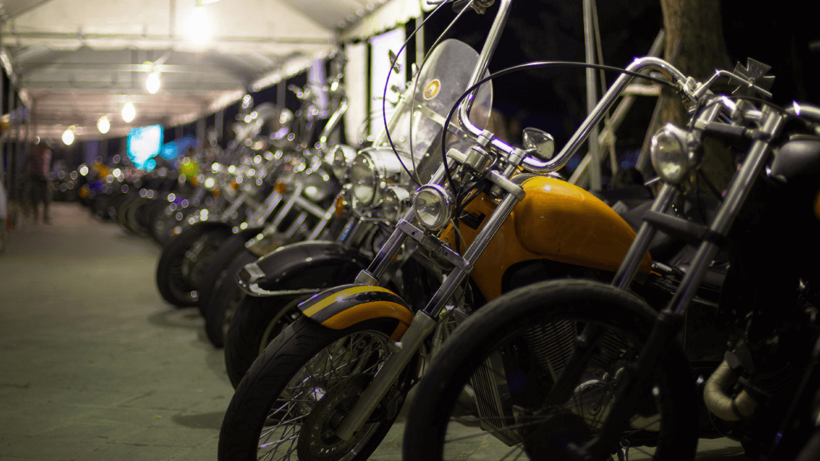
Salvage motorcycles can be incredible deals, if you know what you’re doing. That wrecked Harley-Davidson or crashed sportbike selling for half its value? It could be a smart project bike or a money pit waiting to drain your wallet. The difference between a great deal and a costly mistake comes down to one thing: doing your homework before you bid.
A quick motorcycle VIN check reveals everything you need to know: accident history, title status, hidden damage, liens, and whether that “minor cosmetic damage” is actually a bent frame. Here’s how to buy salvage motorcycles smartly and avoid the expensive surprises that catch most first-time buyers off guard.
What Is a Salvage Motorcycle?
A salvage title motorcycle is one that’s been declared a total loss by an insurance company. This usually happens when:
- Repair costs exceed a certain percentage of the bike’s value (typically 70-80%)
- The bike was stolen and recovered after the claim was paid
- It suffered severe damage from a crash, flood, fire, or vandalism
Here’s the thing: salvage doesn’t always mean trash. Some salvage bikes have relatively minor damage and can be rebuilt into safe, reliable riders. Others are parts bikes that should never hit the road again. Your job is to figure out which category the bike falls into and a motorcycle history report is where that research starts.
Why You MUST Check Motorcycle VINs Before You Buy
1. Spot Hidden Damage You Can’t See
A salvage motorcycle might look fine in photos, but structural damage doesn’t always show up in a quick inspection.
What a VIN check reveals:
- Accident severity (minor fender-bender vs. high-speed crash)
- Type of damage (collision, flood, fire, theft recovery)
- Whether the frame or engine was compromised
- Insurance payout amounts (higher payout = more serious damage)

By running a motorcycle VIN lookup through ClearVin, you’ll see the full damage history before you waste time traveling to look at a bike that’s beyond saving.
Example: A Yamaha R6 listed as “minor fairings damage” showed a $12,000 insurance claim in the VIN report indicating frame damage, not just cosmetic scratches.
2. Verify Ownership and Lien Status
Nothing kills a salvage bike deal faster than discovering the seller doesn’t actually own it free and clear.
Red flags a VIN check catches:
- Outstanding liens from banks or finance companies
- Stolen vehicle records (even if “recovered”)
- Title held by someone other than the seller
- Duplicate or reconstructed titles
A simple check motorcycle VIN search confirms the seller holds clear ownership and reveals any claims against the bike. Don’t assume the seller is honest, verify before you hand over cash.
3. Uncover Open Recalls and Safety Issues
Just because a bike has a salvage title doesn’t mean it’s exempt from manufacturer recalls. In fact, salvage bikes are more likely to have unresolved recalls since previous owners often skip maintenance.
What you need to know:
- Are there open safety recalls from the manufacturer?
- Were previous recalls completed and documented?
- Are there known defects for this model year?
A thorough VIN check on motorcycle surfaces these issues so you can factor recall repairs into your purchase decision. Some recalls are minor. Others involve critical safety systems like brakes or throttle control.
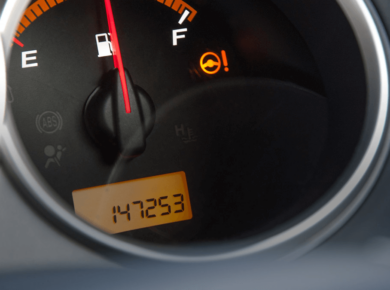
4. Confirm Actual Mileage and Spot Odometer Fraud
Salvage bikes are prime targets for odometer rollbacks. Sellers know buyers expect high mileage on damaged bikes, so they’ll sometimes roll it back to make the bike seem less worn.
How VIN reports catch fraud:
- Track mileage across insurance claims, service records, and registration renewals
- Flag inconsistencies or impossible decreases
- Show mileage at the time of the accident
If the odometer shows 8,000 miles but the VIN report lists 22,000 miles at the time of the crash two years ago, you know something’s wrong.
Pro tip: Check the odometer against wear on the seat, grips, pegs, and controls. High-mileage wear doesn’t match low odometer readings.
5. Estimate Fair Market Value
Salvage bikes sell for 40-70% less than clean-title equivalents, but prices vary wildly based on damage severity and repair costs.
A complete history helps you:
- Compare prices of similar salvage bikes
- Estimate repair costs based on actual damage
- Negotiate from a position of knowledge
- Avoid overpaying for a basket case
Whether you’re eyeing a salvage Ducati, Honda CBR, or Kawasaki dirt bike, the VIN report gives you the leverage to negotiate fairly or walk away if the numbers don’t work.
How to Run a Motorcycle VIN Check (Step by Step)
Step 1: Locate the VIN
The VIN is usually stamped on the steering neck where the front forks meet the frame. On some bikes, it’s also on the engine case or frame under the seat.
If buying online: Ask the seller to provide clear photos of the VIN plate. If they refuse or make excuses, that’s a red flag. If you’re buying from salvage auction, you can search for history by Lot# with ClearVin.
Step 2: Use a Reputable VIN Check Service
Visit ClearVin.com and enter the 17-character VIN into the VIN lookup tool.
Why ClearVin?
- NMVTIS-approved data provider (official government database)
- Pulls records from all 50 state DMVs
- Includes insurance claims and salvage auction data
- Shows theft records
- Instant reports delivered in seconds
Step 3: Review the Motorcycle History Report
Pay close attention to:
Accident & Damage History
- Date and severity of accidents
- Type of damage (collision, flood, fire, vandalism)
- Insurance claim amounts
- Photos from salvage auctions (when available)
Title Status
- Salvage, rebuilt, clean, or flood-damaged
- State where salvage title was issued
- Whether it’s been rebuilt and re-titled
Ownership Transfers
- How many owners
- How quickly it changed hands after the accident
- Whether it went through an auction
Lien and Theft Records
- Outstanding loans or claims
- Stolen vehicle reports
- Recovery status
Recalls and Service
- Open manufacturer recalls
- Previous recall repairs
- Service history (when available)
Step 4: Follow Up with the Seller
If anything in the report raises questions:
- Ask for repair receipts and documentation
- Request photos of the damage before and after repair
- Inquire about who did the rebuild work (professional shop vs. backyard mechanic)
- Get details on replaced parts (OEM vs. aftermarket)
Red flag responses:
- “I don’t have any paperwork”
- “The previous owner handled that”
- Getting defensive or evasive
- Pressuring you to buy without documentation
Best Practices for Salvage Motorcycle VIN Checks
Choose the Right VIN Check Service
Not all VIN check services are equal. Look for providers that:
- Pull data from NMVTIS (National Motor Vehicle Title Information System)
- Include NHTSA recall information
- Access state DMV records from all 50 states
- Show insurance claim history
- Provide salvage auction photos when available
ClearVin checks all these boxes and is an officially approved NMVTIS data provider meaning you get verified government data, not crowd-sourced guesses.
Consider Bulk Lookup for Auction Shopping
If you’re browsing salvage auctions like Copart, IAA (Insurance Auto Auctions), or AutoBidMaster, you’ll want to check multiple bikes quickly.
ClearVin offers:
- Single reports for individual buyers
- Multi-report packages (5-pack at $5.80 each)
- Dealer bulk access for high-volume checking
This lets you eliminate non-starters fast without spending $40+ per bike on other services.
Keep Records for Comparison
Save your VIN reports and compare them against:
- The seller’s description
- Title documents
- Repair estimates
- Auction listings (if applicable)
Discrepancies between what the seller claims and what the VIN shows are immediate deal-breakers.
How to Actually Buy Salvage Motorcycles Safely
A clean VIN report is just the starting point. Here’s how to complete your due diligence:
Always Inspect in Person
Photos lie. Sellers hide damage. Video calls don’t show frame tweaks.
What to check:
Frame Alignment
- Look down the bike from front and rear – does everything line up?
- Check for paint overspray on the frame (indicates repair)
- Look for welds or weld marks (signs of frame straightening)
- Feel for ripples in metal (buckled frame)
Fork and Suspension
- Check forks for bends or scrapes
- Look for fluid leaks from seals
- Test suspension travel (should be smooth, not binding)
Engine and Drivetrain
- Look for fresh oil leaks (hidden damage)
- Check for cracks in the engine cases
- Inspect the chain, sprockets, and final drive
Wheels and Brakes
- Spin wheels to check for wobbles or bends
- Check brake pad wear and rotor condition
- Look for damage to wheel bearings
Electrical System
- Test all lights, signals, and switches
- Check for melted wiring (fire damage indicator)
- Test the starter and charging system
Test Ride When Possible
If the bike runs and the seller allows it:
- Does it track straight at highway speed?
- Are there any unusual vibrations or noises?
- Do the brakes pull evenly?
- Does the transmission shift smoothly?
- Is the throttle response normal?
Warning: Some salvage bikes aren’t safe to ride. If the seller won’t allow a test ride, be extra cautious about the rebuild quality.
Get a Professional Inspection
For expensive salvage bikes or major rebuilds, hire a qualified motorcycle mechanic to inspect it.
What they can spot:
- Frame damage you missed
- Improperly torqued fasteners
- Shortcuts in the rebuild
- Parts that will fail soon
Cost: $100-200
Value: Could save you $5,000+ in hidden problems
Factor ALL Costs Into Your Bid
Don’t just look at the purchase price. Calculate:
- Parts needed to complete the rebuild
- Labor costs (if you’re not doing it yourself)
- Registration and title transfer fees (vary by state)
- Safety inspection (required in many states for rebuilt titles)
- Insurance (salvage/rebuilt titles can be harder to insure)
Example budget:
- Salvage Kawasaki Ninja 650: $2,500
- Fairings and bodywork: $800
- Forks and front wheel: $600
- Labor (if not DIY): $1,200
- Title/registration: $150
- Total investment: $5,250
If a clean-title Ninja 650 sells for $5,500, your $2,500 “deal” isn’t saving you anything.
Understand State Rebuilt Title Requirements
Each state has different rules for rebuilding salvage motorcycles:
Inspection requirements:
- Some states require certified mechanic sign-off
- Others need state police inspection
- Photos of the rebuild process may be required
Title branding:
- Some states issue “rebuilt” titles that stay with the bike forever
- Others mark it “salvage” permanently
- A few allow clean titles after inspection (rare)
Insurance implications:
- Many insurers won’t cover salvage titles
- Others offer liability-only coverage
- Full coverage on rebuilt titles costs 20-50% more
Research your state’s requirements before you buy. What seems like a great deal in one state might be impossible to title in yours.
Red Flags That Mean “Walk Away”
Some salvage bikes aren’t worth saving. Here are deal-breakers:
- Frame damage: Bent or cracked frames compromise safety permanently
- Flood damage: Electrical gremlins will haunt you forever
- Fire damage: Wiring harnesses and plastics are destroyed
- No title or “lost title”: Could be stolen or title-washing fraud
- Seller won’t allow inspection: They’re hiding something
- Major engine damage: Replacement costs exceed bike value
- Incomplete rebuild with missing parts: You’ll never find everything
Trust your gut. If something feels off, it probably is.
Final Thoughts: Buy Smart, Not Cheap
Salvage motorcycles can be excellent projects or daily riders if you choose wisely.
The key is information. A fast and budget motorcycle VIN check through ClearVin tells you exactly what you’re buying before you commit. It reveals the damage history, title status, liens, theft records, and recalls that sellers “forget” to mention. Whether you’re hunting for a project Harley, a track-day sportbike, or a budget commuter, make the VIN check your first step, not an afterthought.
Ready to check a salvage motorcycle VIN?
Visit ClearVin.com and get an instant, comprehensive history report. Know what you’re buying before you bid.