When you’re shopping for a used car, ownership history is one of those things that can tell you a lot without the seller saying a word. How many people have owned this car? How long did they keep it? Why are they selling now?
These aren’t just curiosity questions. They’re smart questions that can save you from headaches down the road. If you’re wondering how to find car owner history quickly and accurately, a VIN check is the most straightforward way to get answers.
Why Car Owner History Matters
Think about it this way: a car that’s been with one owner for 8 years probably has a different story than one that’s changed hands 4 times in 3 years.
Fewer owners usually means less wear and tear. A one-owner car, especially, something manufactured in the last few years is more likely to have consistent maintenance records, lower mileage, and fewer surprises hiding under the hood. It’s also likely to hold its value better when it comes time for you to sell.
That’s why so many buyers specifically look for one or two-owner vehicles. Some are even willing to pay a bit more for that peace of mind. But here’s the thing: sellers know that, too. So it’s worth verifying the ownership story before you commit, especially if the price seems too good to pass up.
If you’re buying from a private seller or even a dealership, don’t be afraid to ask about the previous owner. Why are they selling? How long did they have it? Sometimes those conversations reveal more than any report could, but it never hurts to double-check with a VIN report just to be sure.
How to Find Owner by VIN Number
The easiest way to get the full ownership picture is to run a VIN history report. Services like ClearVin tap into official title data to show you how many people have owned the vehicle, where it’s been registered, and how it was used.
ClearVin pulls its records from the National Motor Vehicle Title Information System (NMVTIS), which gathers data from DMVs across all 50 states. So you’re not getting guesses or estimates – you’re getting the official story.
What ClearVin’s Ownership History Shows You
When you run a car owner by VIN search with ClearVin, here’s what you’ll see:
- Multiple owner alert: if the vehicle has changed hands more than once.
- Date of each purchase: you can see how long each owner kept it.
- Length of ownership for each person.
- States where it was registered: helpful for spotting geographic red flags like flood zones.
- Vehicle usage type: Was it personal use? A lease? Part of a rental fleet or taxi service? This matters more than you’d think.
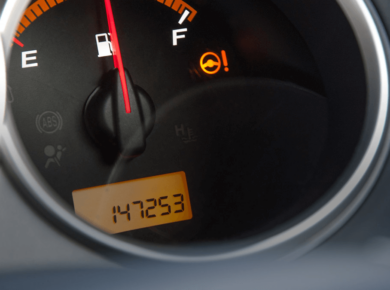
- Last recorded odometer reading to help you verify mileage consistency.
If you’ve ever tried to track down owner information on your own, you know it’s not easy, and in many cases, personal details are legally protected. But a VIN report gives you the ownership pattern without crossing any privacy lines. That’s usually all you need to make a smart decision.
Understanding Vehicle Usage Types
Here’s something a lot of buyers overlook: how a car was used matters just as much as how many miles it has. A car used for personal driving is typically the best bet. The owner likely took care of it, kept up with maintenance, and didn’t push it too hard.
But if the ownership history shows it was a rental, fleet vehicle, or even a taxi or rideshare car? That’s a different story. Those vehicles rack up miles fast and often see a lot of different drivers: some careful, some not so much. Even if the mileage looks reasonable, the wear and tear can be much higher than a similar car driven by one person.
Leased vehicles fall somewhere in the middle. Lessees are usually required to maintain the car according to the lease agreement, which is good. But since they don’t own it, they might not treat it quite like their own.
ClearVin’s reports show you the usage type for each ownership period, so you can get a sense of what kind of life the car has lived. It’s one of those details that doesn’t always come up in conversation with a seller but it should.
Go Beyond Ownership: Why a Full VIN Lookup Is Worth It
Ownership history is important, but it’s just one piece of the puzzle. A ClearVin report also reveals things like accident history, title brands (salvage, flood, rebuilt), odometer discrepancies, and whether the car has any open recalls.
Even a vehicle that looks great and has a clean ownership record could have hidden issues. Maybe it was in a major accident years ago. Maybe it spent time in a flood zone and now has a clean title thanks to some creative paperwork. A full VIN check can uncover these red flags before you hand over your money.
And if you don’t have the VIN handy, ClearVin also offers a free license plate lookup that pulls up the same kind of information. It’s a quick way to get started if you’re just browsing listings online.
Who Benefits from a VIN Lookup?
Pretty much anyone buying or selling a used car.
Individual buyers want to know they’re getting what they’re paying for. Dealerships use VIN checks to verify inventory and avoid taking in problem vehicles. Fleet managers need bulk access to vehicle data to keep their operations running smoothly.
That’s why ClearVin offers both individual reports and a dealer VIN check tool for those who need to look up multiple vehicles at once. It’s fast, reliable, and built on verified title and registration data not guesswork.
You can even use ClearVin to pull up the original window sticker to confirm factory specs and features. It’s one more way to verify that what you’re seeing matches what you’re being told.
Make the Smart Move with ClearVin
Buying a used car doesn’t have to feel like a gamble. With a little homework starting with a VIN owner lookup you can go into the purchase with your eyes wide open.
Whether you’re trying to find history by VIN number or license plate number, check how many hands a car has passed through, or dig into its full history, ClearVin gives you the verified data you need to make a confident decision. It’s a small step that can save you big regrets later.