As we settle into the second half of February 2026, the used car market across the United States continues to demonstrate stability. According to the latest data compiled by Cox Automotive and cross-referenced with Edmunds reports, the average transaction price for a used vehicle remains firmly anchored between $25,700 and $26,100. This represents only a modest year-over-year increase of roughly 1.8–2.2% on the wholesale side.
Within this relatively calm landscape, one powertrain category has clearly emerged as the undisputed champion for the majority of practical, value-conscious buyers: used hybrid vehicles. Hybrids are not just popular. They are dominating the conversation, the search volume, and the actual sales data in dealerships and private-party transactions nationwide. The reasons are straightforward and compelling:
- They deliver substantial real-world fuel savings (frequently 40–52 MPG combined) without forcing owners into the full infrastructure commitment of a battery-electric vehicle.
- They eliminate “range anxiety” completely that is a major psychological barrier that still affects a significant portion of American drivers.
- They benefit from the exceptional long-term reliability reputation of the two brands that currently lead the segment: Toyota and Honda.
- They offer strong residual values, meaning slower depreciation compared to many traditional gas-only models and especially compared to many early-generation pure EVs.
With the federal used EV tax credit of up to $4,000 having expired at the end of 2025 and a massive wave of off-lease EVs (estimated 320,000–380,000 units entering the market in the 2025–2026 window) causing significant downward pressure on electric vehicle prices — and equally significant uncertainty around battery health — hybrids have become the “Goldilocks” solution for millions of households.
Recent Edmounds Used Vehicle Price Index updates (covering November 2025 through mid-January 2026) indicate that the combined hybrid + EV segment experienced an average price decline of approximately $580–$720 during the late fall and early winter period. However, within that group, hybrids have shown much greater price stability and slower long-term depreciation than pure EVs.
Why Used Hybrids Are the Smartest Choice in the Current Market
1. Perfect Balance Between Efficiency and Convenience
Unlike full EVs, which still require planning around charging infrastructure (especially painful for people in apartments, rural areas, or with long commutes), hybrids recharge themselves while driving. The electric motor assists during acceleration and low-speed driving, while the gasoline engine takes over seamlessly on the highway or when more power is needed. The result is excellent city fuel economy, very good highway numbers, and zero compromise on road-trip capability.
2. Outstanding Long-Term Reliability Record
Toyota and Honda hybrids have consistently earned top marks in Consumer Reports predicted reliability surveys, J.D. Power dependability studies, and long-term owner satisfaction data. Hybrid battery failure rates remain extremely low — typically well under 1% within the first 150,000 miles — and both manufacturers offer hybrid component warranties of 8–10 years or 100,000–150,000 miles (in some states even longer due to emissions regulations).
3. Strong Resale Value and Slow Depreciation Curve
Because demand remains high and supply is steadily increasing from maturing leases, well-maintained hybrids from 2021–2024 are holding value noticeably better than comparable gas-only sedans, crossovers, or many early EVs. This slower depreciation curve translates directly into lower total cost of ownership over a 4–7 year ownership period.
4. Favorable Insurance and Maintenance Profile
Insurance companies generally rate hybrids similarly to or slightly better than equivalent gas models (due to strong safety ratings and lower collision frequency in many cases). Routine maintenance is comparable to a conventional vehicle, with the added benefit that brake pads and rotors last significantly longer thanks to regenerative braking.
Current Price Trends – Early 2026 Snapshot
Here’s the big-picture view based on aggregated data from Cox Automotive, Edmunds, and Black Book (mid-January 2026):
- Overall used vehicle average transaction price: ≈ $25,900–$26,100
- Wholesale (Manheim) index: +1.9% year-over-year
- Hybrids segment: Average prices ranging from $23,800–$28,500 depending on model, year, mileage, and trim
- Typical price movement: Seasonal softness in December–February usually brings an additional $400–$900 discount window compared to peak summer months
The Best Used Hybrid Models to Target Right Now (2026 Buying Guide)
Here are the standout choices that combine reliability, efficiency, availability, and current market value:
- Toyota RAV4 Hybrid (2021–2024 model years) The undisputed sales and reliability leader in the compact hybrid SUV segment. Real-world 38–42 MPG combined, standard AWD on most trims, spacious interior, excellent safety ratings. Prices generally fall in the $24,500–$30,000 range for 40k–80k mile examples. Resale remains exceptionally strong.
- Toyota Camry Hybrid (2020–2024) Midsize sedan benchmark. Frequently achieves 48–52 MPG on the highway, extremely comfortable ride, huge trunk, proven powertrain. Very strong availability and prices often start under $24,000 for 2021–2022 models with reasonable miles.
- Honda CR-V Hybrid (2020–2024) Slightly more refined and upscale feel than the RAV4 in some opinions. 35–40 MPG combined, very roomy rear seat and cargo area, smooth power delivery. Typical transaction prices: $25,500–$32,000.
- Toyota Prius (2019–2024, with special attention to 2023+ redesign) Still the efficiency king (50–58 MPG real-world possible). The 2023 redesign dramatically improved styling, ride quality, and interior materials. Often the most affordable entry point into hybrids — many clean examples available between $19,500–$26,000.
- Honda Accord Hybrid (2018–2024) One of the most comfortable and spacious midsize hybrid sedans on the market. Excellent highway manners, 44–48 MPG combined. Prices typically range from $21,000–$28,500 depending on year and condition.
Honorable mentions: Toyota Corolla Hybrid (budget efficiency champion), Lexus NX 350h (premium small luxury hybrid SUV), Hyundai Tucson Hybrid (strong value alternative with bold styling).
7 Practical Tips for Buying a Used Hybrid in Early 2026
- Focus on 2021–2024 model years with under 80,000 miles — this is currently the sweet spot for price-to-condition ratio.
- Always insist on a full pre-purchase inspection that includes hybrid battery health diagnostics (many Toyota/Honda dealers offer this for $150–$250).
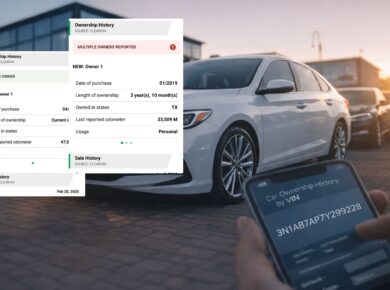
- Pull a history report — look specifically for consistent maintenance history and no major accidents.
- Calculate your personal 5-year total cost of ownership (fuel + insurance + maintenance + expected resale value) — hybrids almost always win this comparison.
- Negotiate hardest in January–March — dealers are motivated to move inventory before tax refund season ends.
- Consider certified pre-owned (CPO) programs from Toyota and Honda — they usually include extended hybrid component coverage.
- Test drive in varied conditions — make sure the seamless transition between electric and gas modes feels smooth to you.
In summary, 2026 is shaping up to be the breakthrough year for used hybrids in America. They offer the best real-world compromise between fuel savings, everyday usability, long-term reliability, and financial sensibility in today’s market. Whether you’re replacing an aging gas sedan, stepping up from a compact car, or simply want to cut your fuel bill without going full electric — a well-chosen used hybrid is likely the smartest move you can make right now.