Buying a used car can be a smart financial decision, but only if you fully understand the vehicle’s history. Hidden issues such as flood damage, lemon law buybacks, or title washing can turn what looks like a good deal into a long-term problem. Many of these issues are not visible during a test drive or standard inspection.
This is where a VIN check plays a critical role. By running the VIN through trusted data sources, buyers can uncover past events that may impact the car’s safety, value, and overall risk. In this article, you’ll learn how VIN checks help avoid lemon and flood vehicles, what warning signs to look for, and how to read vehicle history reports the right way.
Key Terms Every Used Car Buyer Should Understand
Before diving deeper, it’s important to clarify a few commonly misunderstood terms.
- VIN (Vehicle Identification Number)
A unique 17-character code assigned to a vehicle. It’s used to track manufacturing details, registration, title records, and reported incidents.
- Flood-Damaged Vehicle
A car exposed to water damage due to floods, hurricanes, or storms. Flood damage can affect electronics, safety systems, and structural components even after repairs seem complete.
- Lemon Law Buyback
A vehicle repurchased by the manufacturer after repeated defects that could not be repaired within a reasonable number of attempts. These vehicles may later re-enter the market.
- Title Washing
The illegal practice of moving a vehicle between states to remove or hide negative title brands, such as salvage or flood damage. Title check by VIN is recommended before purchasing a used vehicle.
Understanding these concepts helps buyers see why vehicle history checks matter beyond cosmetic condition.
Why Lemon and Flood Vehicles Are a Serious Risk
Flood Damage Is Often Hidden
Flood-damaged vehicles are frequently cleaned, dried, and resold with no obvious signs of prior exposure. However, long-term consequences may include:
- Electrical system failures
- Corrosion in safety components
- Mold and air-quality issues
- Premature breakdowns months or years later
In many cases, flood damage is discovered only after ownership begins — when repairs become expensive or safety systems malfunction.
Lemon Buybacks Can Reappear Quietly
Lemon law buyback vehicles are not necessarily unsafe, but they carry known defect histories. Without proper disclosure, buyers may be unaware that:
- The vehicle was repurchased due to recurring defects
- Repairs may not have fully resolved the issue
- Resale value is typically lower
For a deeper explanation, see this ClearVin article about lemon buybacks and recalls difference.
How VIN Checks Help Identify These Risks
A VIN check connects a vehicle’s identification number to historical records reported by official, industry-recognized sources. These checks can reveal patterns and events that are not visible during a physical inspection.
Title History and Branding
VIN checks may show title brands related to:
- Flood damage
- Salvage or total loss
- Manufacturer buybacks
These brands are critical indicators of a vehicle’s past and often follow the car across state lines, unless title washing has occurred.
Insurance and Loss Records
Flood and total loss events are commonly reported by insurers. VIN-based history reviews help identify whether a vehicle was ever declared a total loss due to water damage or other catastrophic events. Find out how to spot flood damage and whether it’s worth buying a flooded vehicle.
Ownership and Registration Signals
Frequent ownership changes, short registration periods, or gaps in history may signal underlying problems. While not definitive on their own, these patterns provide context when combined with other data.
Real-World Scenarios Where VIN Checks Make a Difference
Scenario 1: Flood Vehicle Resold After a Natural Disaster
After major storms, flood-damaged vehicles are often transported to other regions and resold. In one common scenario, a vehicle appears clean, has a valid title, and passes a basic inspection, but a VIN check reveals prior flood branding reported months earlier in another state.
Without this information, buyers may unknowingly purchase a vehicle prone to electrical failures and corrosion.
Scenario 2: Lemon Buyback Without Clear Disclosure
A used vehicle may look well-maintained and drive smoothly, yet a VIN check reveals a manufacturer buyback related to persistent transmission issues. While the issue may have been repaired, the history affects long-term reliability expectations and resale value.
In these cases, VIN checks allow buyers to make informed decisions rather than relying on appearance alone.
VIN Checks vs. Physical Inspections
While professional inspections are valuable, they serve different purposes than VIN checks.
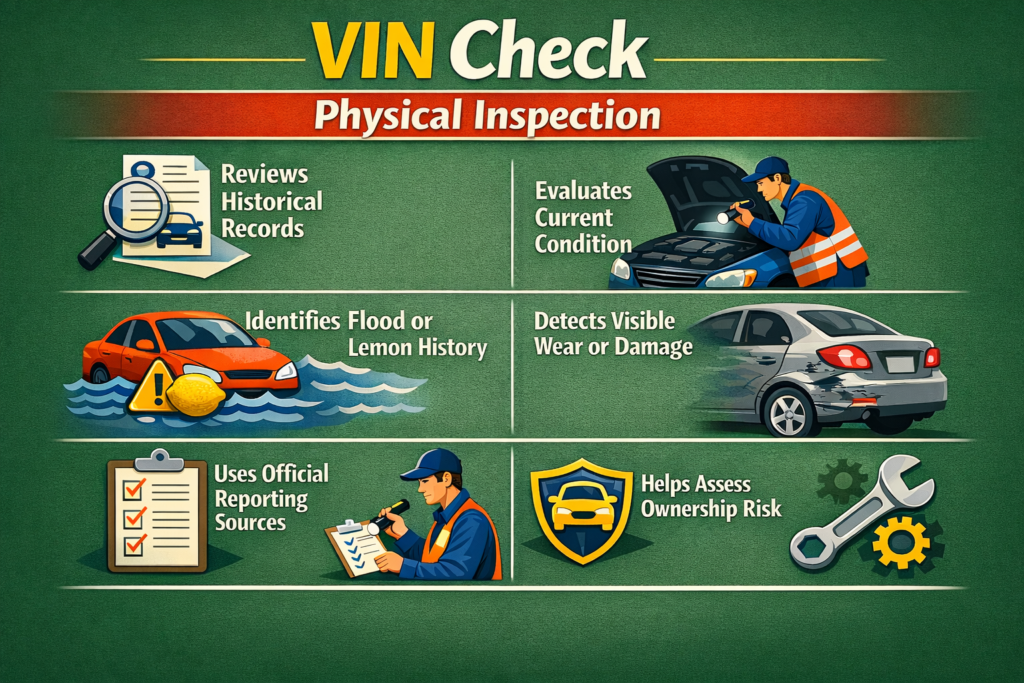
The most informed buyers use both, rather than relying on just one.
Common Misconceptions About Vehicle History
“The Title Is Clean, So the Car Is Fine”
A clean title does not guarantee the absence of flood or lemon history. Title washing and reporting delays can temporarily mask issues.
“Low Mileage Means Low Risk”
Flood and lemon vehicles can have low mileage yet significant underlying problems unrelated to wear.
“Older Cars Don’t Need VIN Checks”
Older vehicles may have less digital history, but VIN checks can still reveal critical title and loss information that affects safety and legality.
What to Look for When Reviewing VIN Information
When reviewing vehicle history data, focus on:
- Flood or salvage branding
- Manufacturer buyback records
- Inconsistencies between ownership periods and reported events
- Title lien information that may affect ownership transfer
Understanding title and lien records is especially important.
Industry and Government Data Sources Behind VIN Checks
Reliable VIN checks rely on data reported by:
- State motor vehicle agencies
- Insurance companies
- Salvage and auction facilities
- Federal safety and recall authorities
These sources contribute to systems such as NMVTIS and other official reporting networks, which help standardize vehicle history data across states.
How ClearVin Supports Informed Vehicle Research
ClearVin provides access to vehicle history information from industry-recognized data sources, helping buyers and professionals research vehicles responsibly. ClearVin tools and resources include:
- Free VIN Decoder
- Recall Check
- Plate Check
- Vehicle history reports supported by NMVTIS, insurance, salvage, auction, and NHTSA
For businesses and professionals managing higher volumes, ClearVin also offers structured access through programs such as ClearVin Dealer Program. This approach supports transparency and informed decision-making without relying on incomplete or misleading data.
Practical Advice for Used Car Buyers
Before purchasing a used vehicle:
- Run a VIN check early in the process
- Review the title history carefully
- Pay attention to flood and buyback indicators
- Combine history checks with a professional inspection
- Walk away if the history details cannot be verified
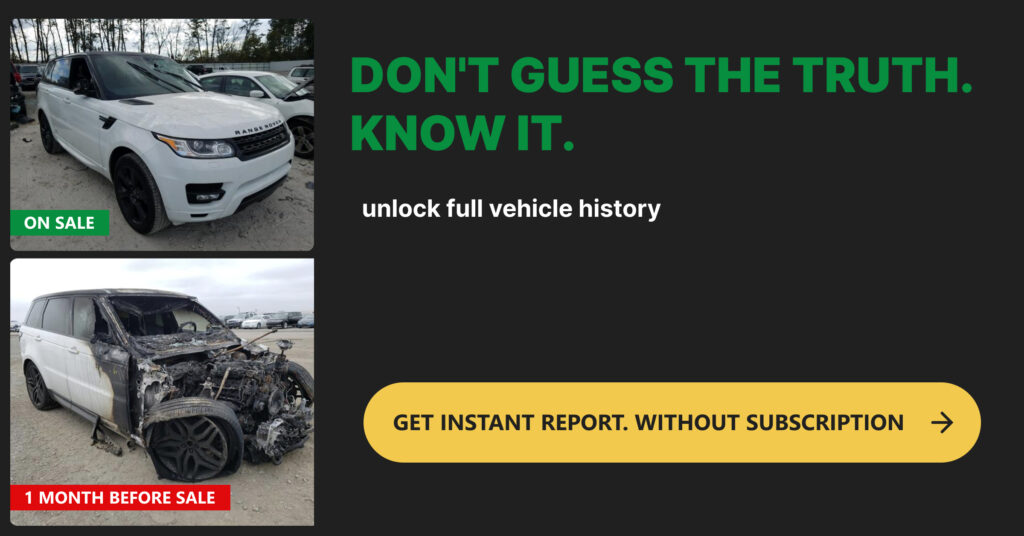
- Check vehicle real photos and pricing history
No single step guarantees a perfect purchase, but skipping VIN checks significantly increases risk.
Final Thoughts
Lemon law buybacks and flood-damaged vehicles remain a persistent challenge in the used car market. Because these issues are often hidden from view, VIN checks serve as one of the most effective tools for uncovering critical vehicle history information.
By understanding how VIN checks work and what to look for, you can reduce risk, protect your investment, and make more confident purchasing decisions.
To get accurate vehicle history information, check your VIN with ClearVin today.